Sustainable investing.
Invest in what you eat.
Sustainable investing means putting your money into companies that contribute to a better world, and sharing in the result yourself. Through broccoli you do that with shares in sustainable food and agri companies. You become a co-owner, usually through depositary receipts for shares, and share in the company’s growth. Broccoli holds a European crowdfunding licence (ECSP) and is supervised by the Dutch Authority for the Financial Markets (AFM).
Three ways to invest sustainably
Funds and ETFs. You invest through a bank or broker in a basket of listed companies with a sustainability label. Widely spread and tradable every day, but you don’t choose the companies yourself.
Loans to projects. You lend money to, for example, a solar park or wind project and receive interest. You know in advance what to expect, but you don’t share in it if the project does very well. And a loan can also go unpaid.
Shares in sustainable companies. You become a co-owner of an unlisted company. You share in the growth in value, but the risk is higher and you can’t sell at any moment. This is what broccoli does.
Why food and agri?
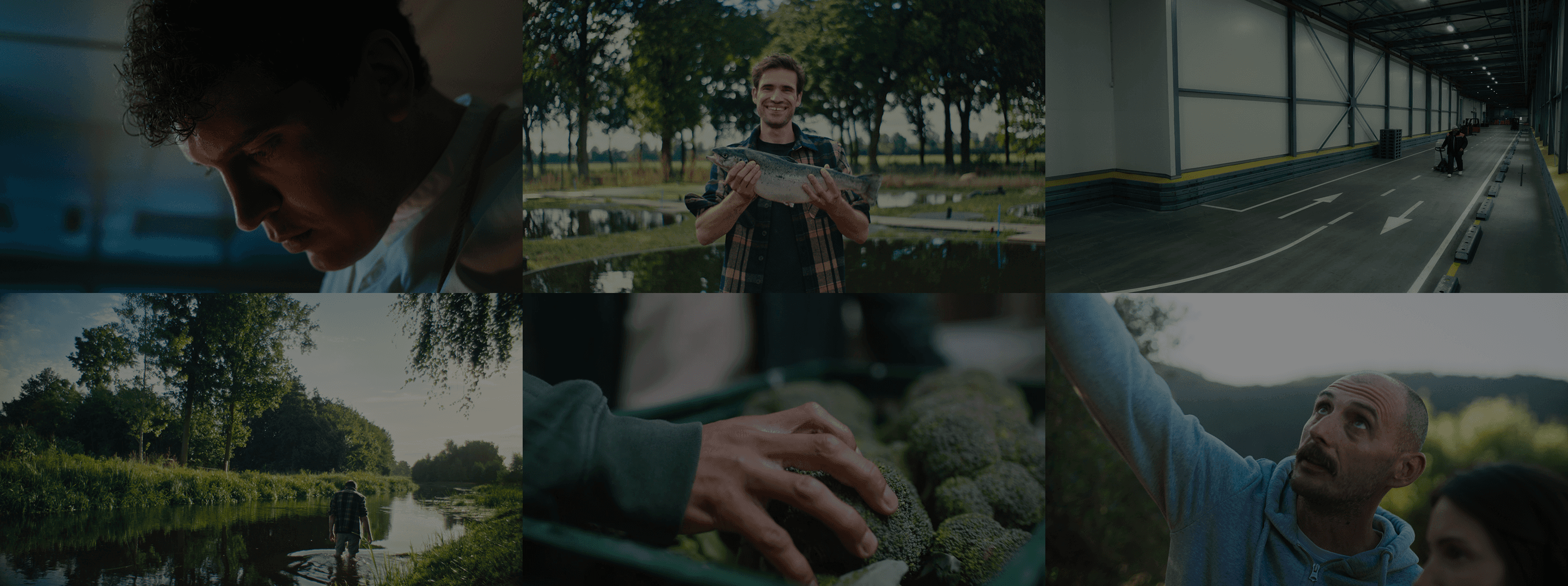
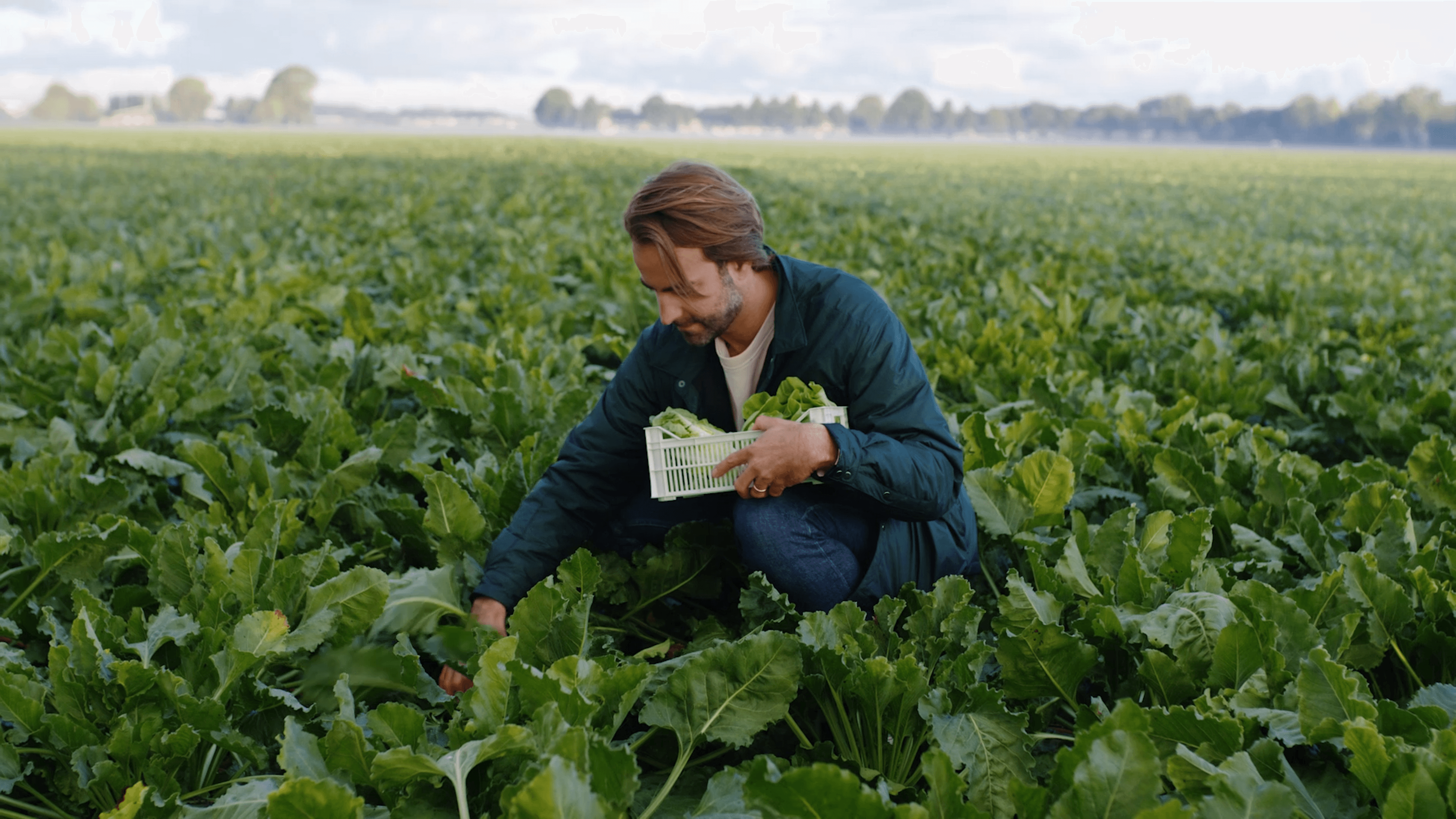
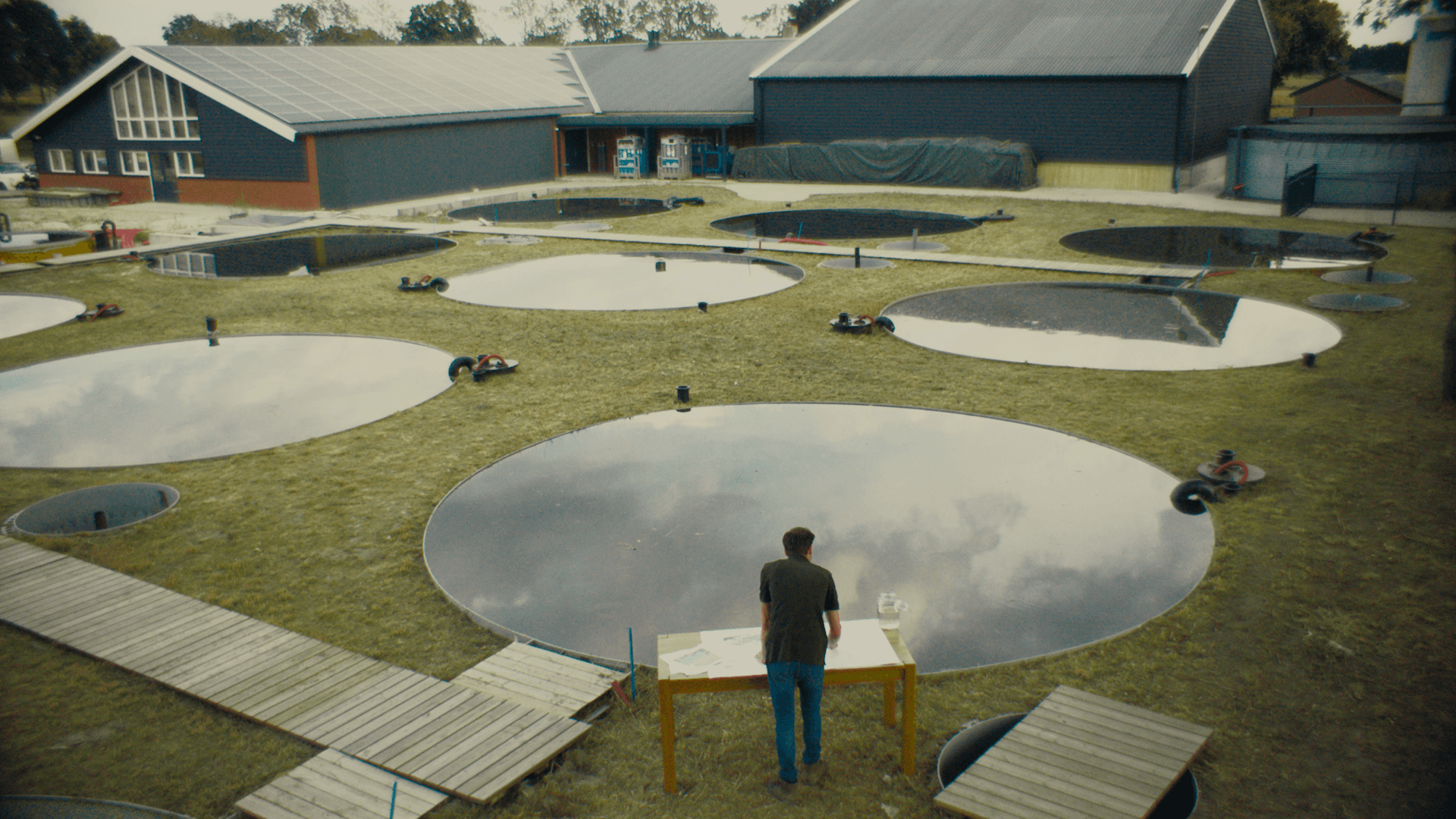
Most platforms for sustainable investing are about energy: solar panels, wind turbines, heat. Broccoli is about food. About companies that make food and farming more sustainable: from organic seeds and plant-based products to the first land-based salmon farm in the Netherlands.
The advantage: you invest in companies whose product you know, can taste and see in the shop. You can see for yourself whether the company grows.
A few companies that raised capital through broccoli:
De Bolster, organic seeds: €4,500,000.
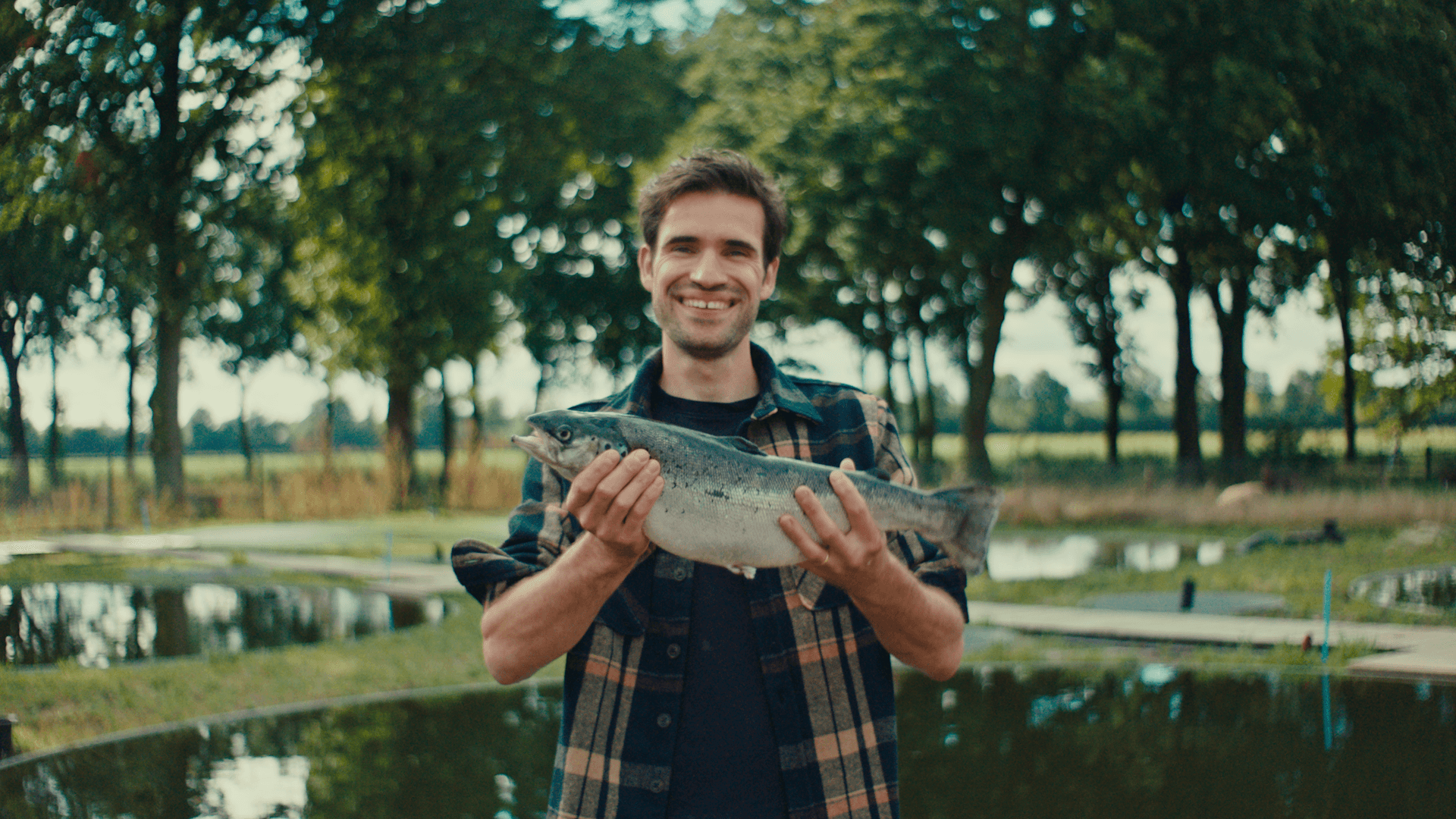
Zalmboerderij Maashorst, the first Dutch land-based salmon farm: €1,482,604 in the first round.
The Happy Pear, plant-based food: €2,522,878.
How does broccoli choose the companies?
Every company goes through the same selection:
It fits our mission: more sustainable food and farming.
We do extensive financial research (due diligence) to limit the risks as much as possible.
We put legal agreements in place that protect investors after the investment.
That is no guarantee. Selection lowers the risk, it does not remove it.
What does it deliver, and what are the risks?
As a shareholder you earn when the company becomes worth more and you sell your shares later, at an acquisition or exit, or when the company pays dividends. Nobody can say in advance how much that will be.
The risks are real:
A company can go bankrupt. You can then lose your entire investment.
You can’t sell at any moment. After a lock-up of usually 24 months you can offer your depositary receipts on the bulletin board, if there is a buyer.
There is no fixed interest and no guarantee.
So only invest money you can afford to lose, and spread over several companies.